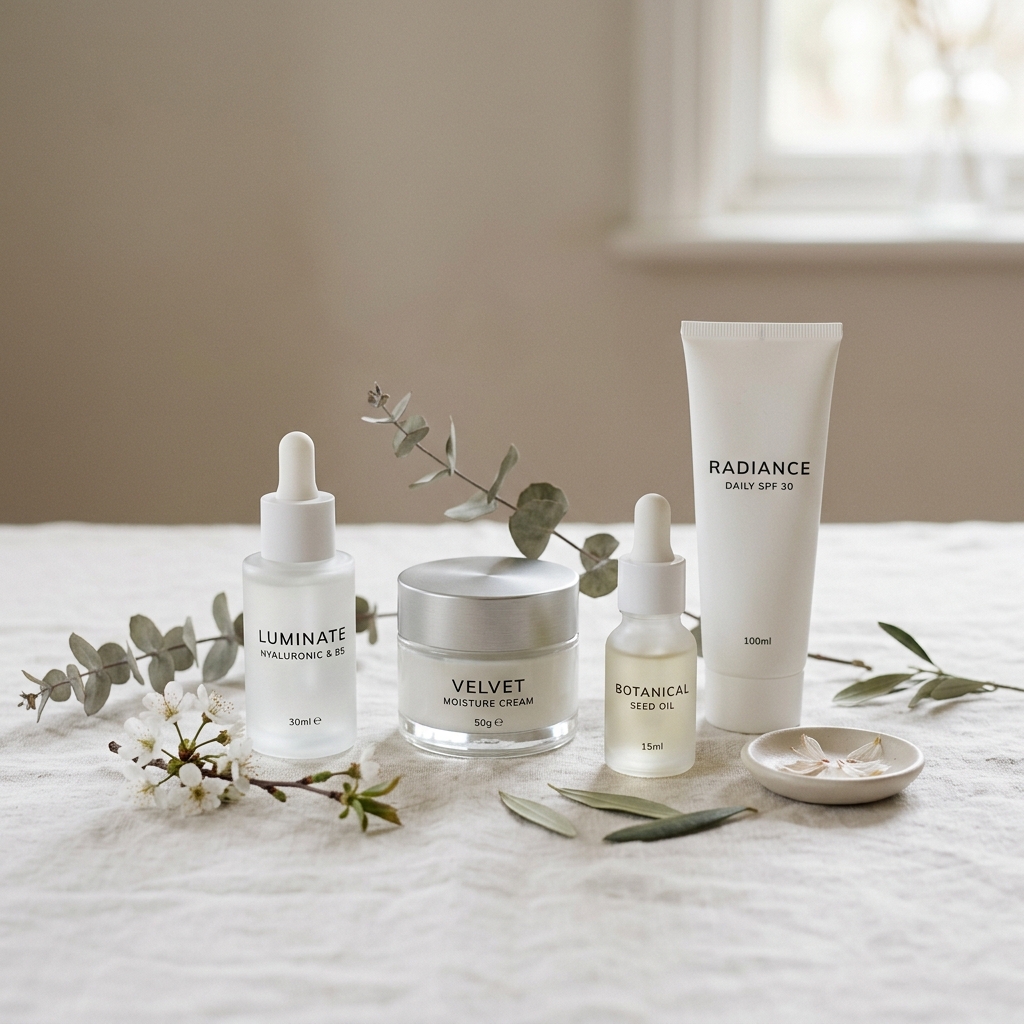
Quick Answer: How does a cosmetic ingredient checker analyze skincare products?
A cosmetic ingredient checker uses AI to read the INCI ingredient list on makeup and skincare products. It identifies harmful chemicals, endocrine disruptors, and allergens by cross-referencing them with scientific databases like the FDA, EWG, and ECHA. It instantly grades the product’s safety, helping you avoid toxic ingredients in your daily routine.
How do I check if my cosmetics are safe?
To check if your cosmetics are safe, scan the product barcode or ingredient list with a cosmetic scanner app like PureScan AI. The safest cosmetics are formulated without endocrine disruptors, carcinogens, and severe allergens. Good cosmetics feature transparent ingredient lists and avoid controversial chemicals like parabens and phthalates.
What toxic ingredients should you avoid in skincare and makeup?
The most dangerous toxic ingredients to avoid in skincare and makeup products are those classified as endocrine disruptors, carcinogens, and persistent environmental pollutants. Here are the top offenders that a cosmetic safety scanner will flag:
What is the best app to check cosmetic ingredients?
The key takeaway is that the best app to check cosmetic ingredients is one that leverages trusted scientific data from the FDA, EWG, EFSA, ECHA, and IARC. PureScan AI acts as your personal cosmetic safety scanner — whether you are scanning shampoo, foundation, sunscreen, or baby lotion, it provides real-time risk alerts and a holistic safety grade based on peer-reviewed evidence, The key takeaway is that the best app to check cosmetic ingredients is one that leverages trusted scientific data from the FDA, EWG, EFSA, ECHA, and IARC. PureScan AI acts as your personal cosmetic safety scanner — whether you are scanning shampoo, foundation, sunscreen, or baby lotion, it provides real-time risk alerts and a holistic safety grade based on peer-reviewed evidence, not marketing claims.
Sources & References
- Safety assessment of methylene bis-benzotriazolyl tetramethylbutylphenol, a UV filter in cosmetics — PubMed
- Preparation, Characterization, and Keratinocyte Cell Viability of a β‑Cyclodextrin-Myrcene Complex Intended for Skin Application — PubMed
- Toxicity assessment of nanocosmetics: techniques and necessity for safety evaluation — PubMed
- New approach methodologies for evaluating developmental and reproductive toxicity potential: Review on state of the art, applicability for cosmetic related ingredients and coverage of developmental stages — PubMed
- Radiolabelled ZnO, Iron Oxide-Based, and Gold Nanoparticles for Cancer Therapy: Synthesis, Surface Engineering, and Radiolabelling Strategies — PubMed